
At NomadGo, we believe strongly in AI and just as strongly in people.
That belief shows up in one of our core product principles: user-in-the-loop design. In simple terms, it means AI does the heavy lifting, but a human always has the final say.
Not because AI isn’t powerful. But because in the physical world, especially when it comes to inventory, accuracy matters too much to remove human judgment from the process.
What “user-in-the-loop” actually means
User-in-the-loop AI is often misunderstood as slowing automation down. We see it differently.
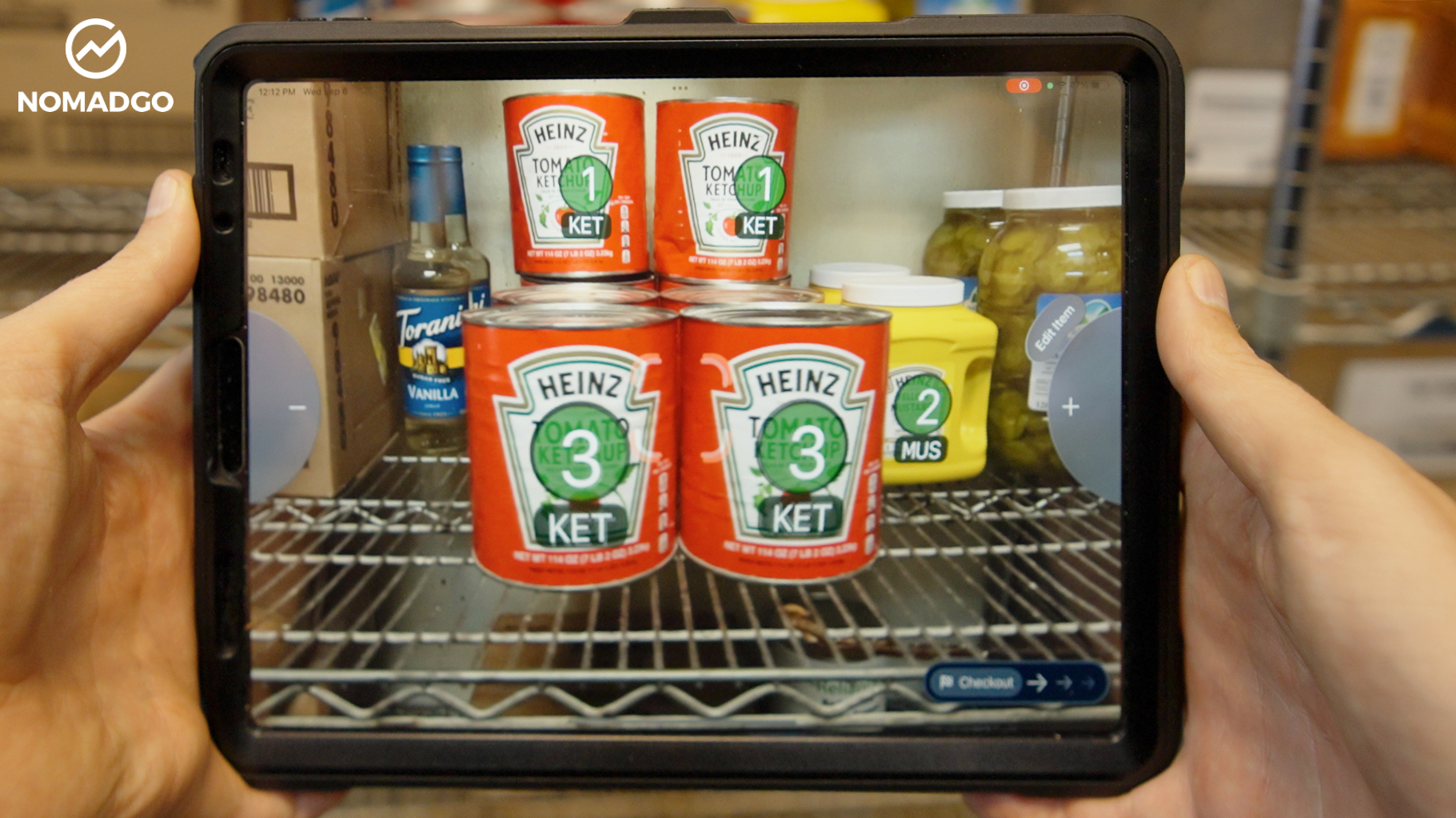
For us, it is a deliberate design choice that combines speed, accuracy, and trust. NomadGo Inventory AI uses Spatial Vision to rapidly generate inventory counts. But instead of treating those results as immutable truth, we built the workflow so users can review, confirm, and adjust outcomes before they are finalized.
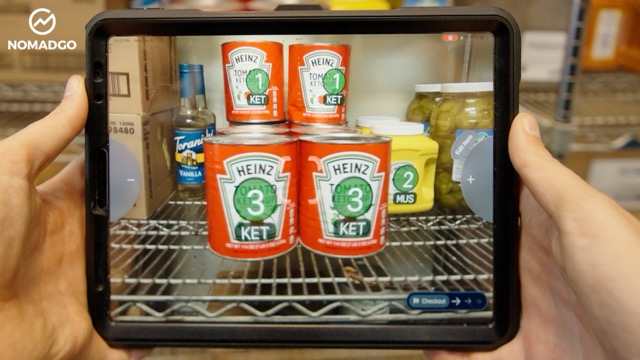
Inside the app, employees can quickly add or subtract counts, correct items, or introduce new ones using intuitive tools that feel more like a video game than an enterprise form. The goal is not friction. The goal is confidence.
Why human review is worth it
In practice, user review adds less than 30 seconds per full scan. That trade off is intentional and worth it.
Those extra moments significantly improve accuracy by ensuring inventory data reflects what is actually on the shelf, not just a model’s best guess. It is also why we are comfortable standing behind claims of up to 99% accuracy when the process is used as designed.
In a controlled digital environment, full automation can work. In a dynamic physical space, where items are misplaced, packaging changes, or real-world exceptions appear, human context still matters.
Inventory data does not live in isolation
Inventory accuracy is not just an operational detail. It is foundational data that ripples outward into:
- Replenishment and ordering decisions
- Product availability and customer experience
- Waste, overstock, and margin performance
- And ultimately, financial reporting
Small inaccuracies compound. A missed unit here or an extra unit there can cascade into lost sales, excess stock, or distorted financials. When the data is wrong at the source, everything down stream becomes harder.
User-in-the-loop design is how we reduce that risk at the last inch of the supply chain, where errors are most likely and most costly.
It is also about the people using the system
Just as important as the data is how this design affects the tens of thousands of people using NomadGo every day.
Store employees are closest to customers and to the real state of inventory. When they are forced to blindly accept automated outputs, they lose agency. When they are empowered to make quick corrections, they stay in control.
That sense of control matters. It builds trust in the system, reduces frustration, and increases adoption. Instead of replacing human judgment, NomadGo is designed to amplify it.
Responsible AI is practical, not abstract
AI is an incredibly powerful tool. But tools are at their best when they work with humans, not over them.
By keeping users in the loop, we deliver what matters most: highly accurate inventory data, trusted by the people who rely on it, and reliable enough to power the business decisions that follow.
That is not just good design.
It is responsible AI, built for the real world.


